
How Automobile Accident Lawyers Prove Fault in Complex Crash Cases
Proving fault in automobile accidents is crucial for determining liability and securing compensation for damages. With the complexity often involved in such cases, legal professionals must navigate a myriad of evidentiary and technical challenges. This article delves into the intricate processes that skilled automobile accident lawyers undertake to establish fault in complex crash cases.
The multifaceted nature of traffic accidents necessitates a comprehensive approach to evidence gathering and analysis. Lawyers must employ a combination of traditional investigative techniques and modern technology to dissect each incident thoroughly. By understanding the methods that lawyers use to prove fault, one can appreciate the legal acumen required in these challenging cases.
For victims and their families, proving fault can significantly impact the outcome of their legal claims. This task is not only vital for justice but also for ensuring that responsible parties are held accountable. In the following sections, we explore the various strategies and tools that automobile accident lawyers utilize in complex crash cases.
Gathering and Analyzing Evidence
Police Reports
Police reports are a foundational element in proving fault in automobile accidents. These documents provide an official record of the incident, often including officer observations, environmental conditions, and witness statements. Lawyers rely on these reports to establish timelines, identify involved parties, and scrutinize officer assessments of fault. However, police reports may contain inaccuracies or omissions, requiring lawyers to cross-reference with other evidence. Skilled attorneys know how to leverage these reports, despite potential flaws, to build a persuasive case.
The process of obtaining police reports can sometimes be challenging, as they are subject to privacy laws and bureaucratic processes. Lawyers often have established procedures for acquiring these crucial documents efficiently. They rigorously analyze the details within the reports, looking for inconsistencies or corroborative evidence. By comparing the police report to other gathered data, lawyers can strengthen their arguments regarding fault. Ultimately, while not infallible, police reports are instrumental in constructing a narrative of the accident.
Police reports also serve as a starting point for further investigation. Experienced lawyers utilize them to identify key witnesses and potential additional sources of evidence. These reports often summarize complex accident scenes succinctly, providing lawyers with an initial framework for their case. The ability to interpret these documents accurately and use them effectively is a cornerstone of the legal strategy in complex automobile accident cases. Armed with a comprehensive understanding of the police report's contents, lawyers progress to more intricate analysis stages.
Photographic Evidence
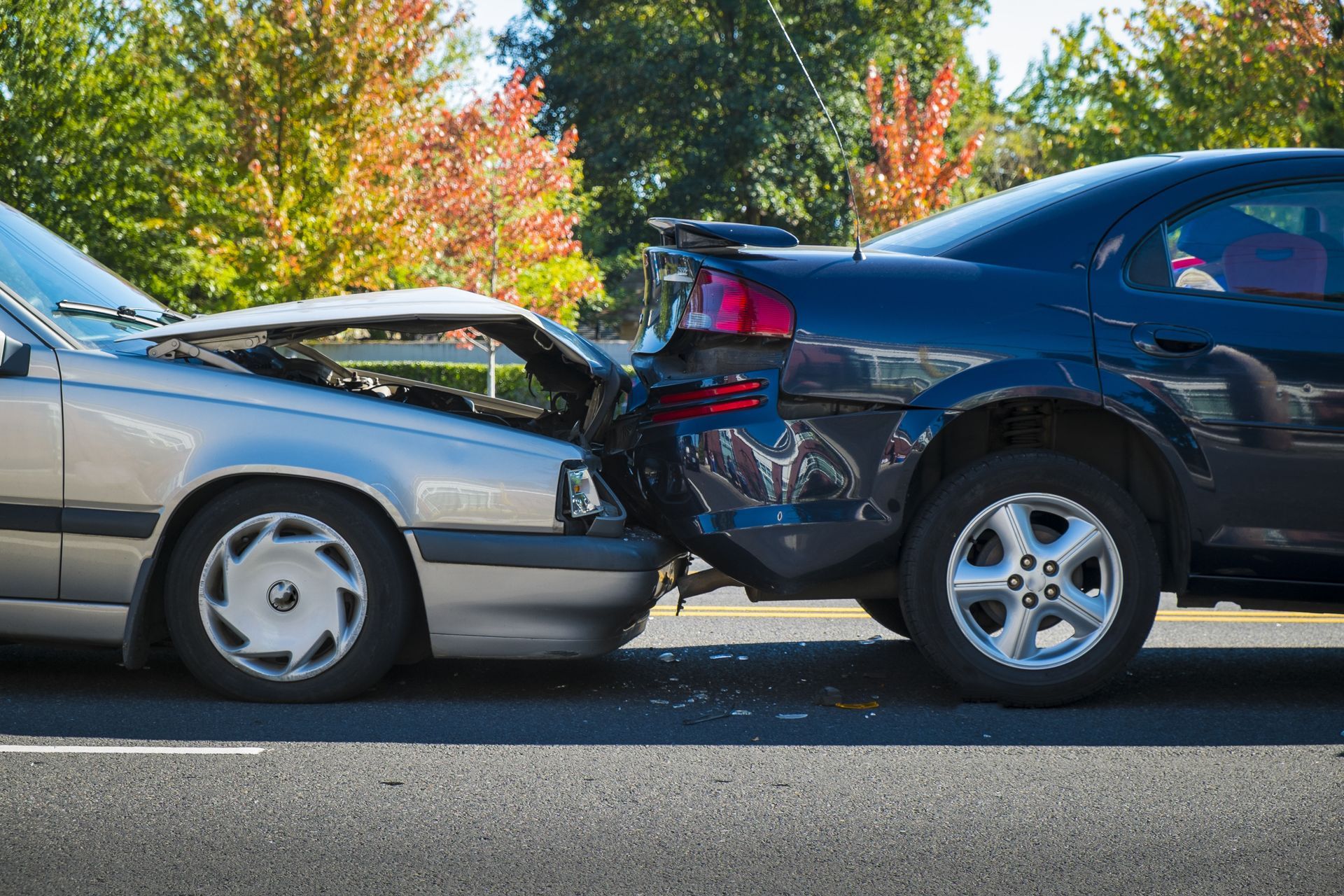
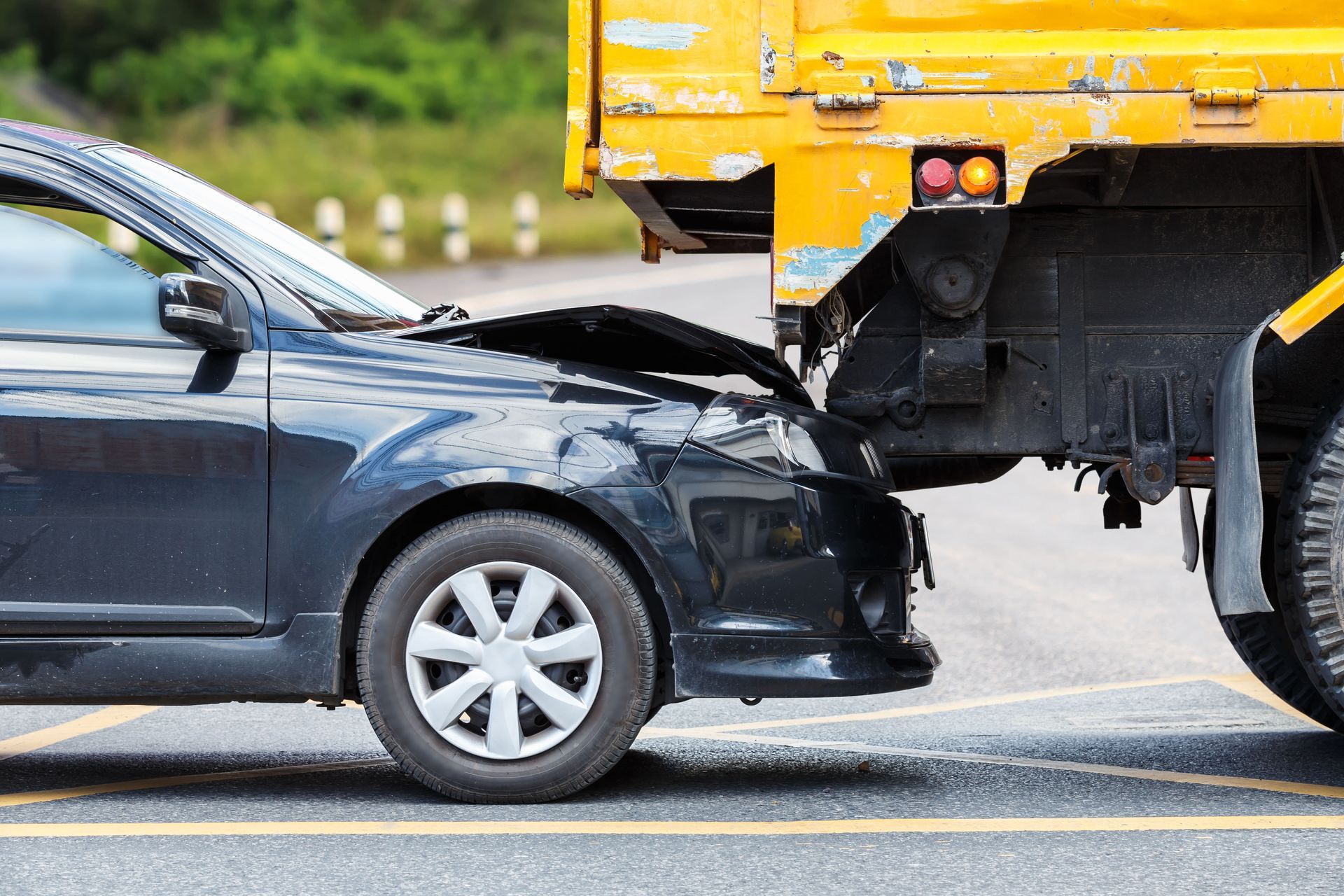
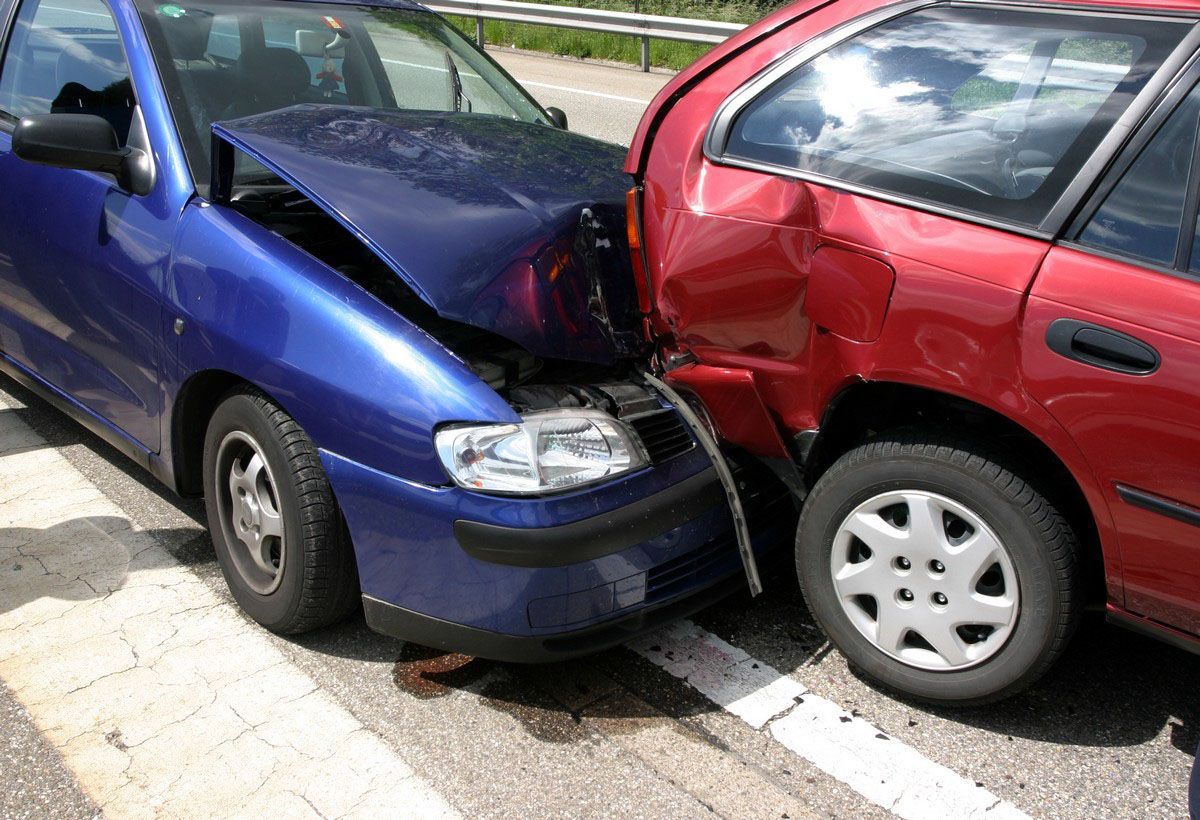
Photographic evidence plays a critical role in substantiating claims about the accident scene and vehicle conditions. Lawyers extensively use photographs taken immediately after an accident to capture the layout of the scene, vehicle positions, and any visible damage. This visual evidence helps in corroborating eyewitness accounts and piecing together the sequence of events. Photographs can sometimes reveal details that were not initially noted by witnesses or police officers, providing an unbiased view of the crash. Skilled attorneys ensure that all relevant perspectives and angles are captured to present a complete picture of the incident.
The timing of when photographs are taken is crucial, as conditions can change drastically after an accident. Lawyers instruct their clients or investigators to capture images as soon as possible to maintain the integrity of this evidence. Attorneys meticulously analyze these photos to detect any factors contributing to the accident, like road obstructions or skid marks. Digital enhancements and forensic analysis of photographs further aid in extracting details that might be overlooked during initial assessments. This attention to detail in handling photographic evidence positions lawyers to argue more convincingly in their clients' favor.
Presenting photographic evidence in court or settlement negotiations requires strategic consideration. Lawyers must ensure that images are clear, relevant, and admissible. Through careful curation of photographs, attorneys can narrate the incident's progression to judges, juries, or opposing parties. Photographic evidence, when used effectively, can significantly influence the determination of fault, especially when it verifiably supports other aspects of the case. Consequently, lawyers invest significant effort into the careful examination and presentation of photographs in automobile accident cases.
Witness Testimonies
Witness testimonies provide human insights into the accident, supplementing physical evidence. Lawyers heavily rely on accounts from those who directly observed the accident to validate timelines and interpret events. However, securing reliable testimonies can be complex, as witnesses may have subjective perceptions or forget details over time. Lawyers must evaluate the credibility of witnesses carefully, using interviews and depositions to extract consistent narratives. The objective is to strengthen the case by integrating witness statements with other evidence to establish a comprehensive understanding of fault.
Effective lawyers know how to handle witness testimonies to counteract any potential biases. They aim to corroborate witness accounts with material evidence or other testimonies, enhancing their reliability. During court proceedings, lawyers may use witness testimonies strategically to counter opposing arguments or to clarify technical aspects of the crash. This meticulous approach to handling testimony helps in minimizing discrepancies that might weaken the case. Given the nuanced nature of human memory, maintaining a detailed witness record is crucial in validating the chronology and causation of events.
In the courtroom, witness testimonies can humanize the legal proceedings, making abstract points of law more relatable. Lawyers use them to provide narratives that resonate with juries or judges, bridging the gap between technical data and real-world implications. By questioning witnesses carefully, attorneys can explore multiple dimensions of the case, effectively defending their clients' position. Thus, skillful elicitation and presentation of witness testimonies are vital components of proving fault in complex automobile accident lawsuits. Ensuring these human accounts align with mechanical evidence reinforces the strength of the case.
Accident Reconstruction
Accident reconstruction is a sophisticated process that involves piecing together clues to recreate the incident dynamics. Lawyers collaborate with experts who use engineering principles, vehicle physics, and applied mathematics to simulate crash scenarios. These reconstructions help in visualizing the events preceding, during, and after the accident, offering insights that raw data alone cannot provide. This analytical method aids in identifying contributing factors, such as speed, angles of impact, and environmental conditions. By using accident reconstruction, lawyers can substantiate claims regarding negligence or violations more convincingly.
Reconstruction experts use various tools, including software modeling and physical simulations, to develop accurate representations of the crash. Lawyers provide these experts with extensive data, including vehicle damage, road surface conditions, and meteorological reports. This robust collaboration results in detailed reports or simulations that depict a cohesive narrative. These reconstructions can often make complex accident scenarios comprehensible for juries and judges, making them highly persuasive. When employed effectively, accident reconstruction becomes a pivotal element in proving the sequence and impact of negligent actions.
During legal proceedings, accident reconstructions are frequently used as visual aids in court to support the argued theories of liability. Lawyers introduce these reconstructions as compelling evidence to demonstrate how the accident transpired due to specific actions or failures. The graphical depiction of these reconstructions can be the difference between ambiguity and clarity in demonstrating fault. Thus, thorough and expert-led accident reconstructions are invaluable assets in the legal arsenal for addressing complex crash cases. By visually articulating the conditions and movements at play, these reconstructions strengthen the evidential basis of claims. According to Auto Insurance, 12% of drivers in the US have been involved in at-fault car accidents in the past five years. Be sure to reach out to Stobierski & Connor Attorneys At Law to learn more about our professional automobile accident lawyers!





Share On: